The Button Fever
From Tradition to Icon: The Story of Frog Closures & How They Became Retro’s Signature Detail
At first glance, those intricate looped fastenings on our jackets might look like whimsical embellishments, but they carry a fascinating legacy woven through centuries of global fashion history.
Known in the fashion world as frog closures (or simply “frogging”), these ornamental fastenings began life far from the runways of today. Originating in traditional Chinese clothing, frogs were originally handcrafted from braided cord, fabric, or covered wire, forming a button-and-loop system that secured garments while adding visual richness. On traditional attire like cheongsams and Hanfu, frog closures weren’t just functional, they symbolized cultural artistry and attention to craft.
Through trade and cross-cultural exchange, frogging spread westward. In Europe from the 17th through 19th centuries, decorative frogs became synonymous with military uniforms, especially among hussar regiments, appearing in metallic braids and luxurious cords on jackets and ceremonial wear. Over time, they evolved from necessary fasteners to highly decorative details, worn by royals, officials, and eventually woven into civilian fashion.
![[Hanfu🇨🇳・漢服] Chinese Ming Dynasty Traditional Clothing Hanfu.jpeg](https://images.squarespace-cdn.com/content/v1/6960cba8eed03b18e5d11e7a/1769633710369-7P2GBT5PV0MD0RWBH50P/%5BHanfu%F0%9F%87%A8%F0%9F%87%B3%E3%83%BB%E6%BC%A2%E6%9C%8D%5D+Chinese+Ming+Dynasty+Traditional+Clothing+Hanfu.jpeg)
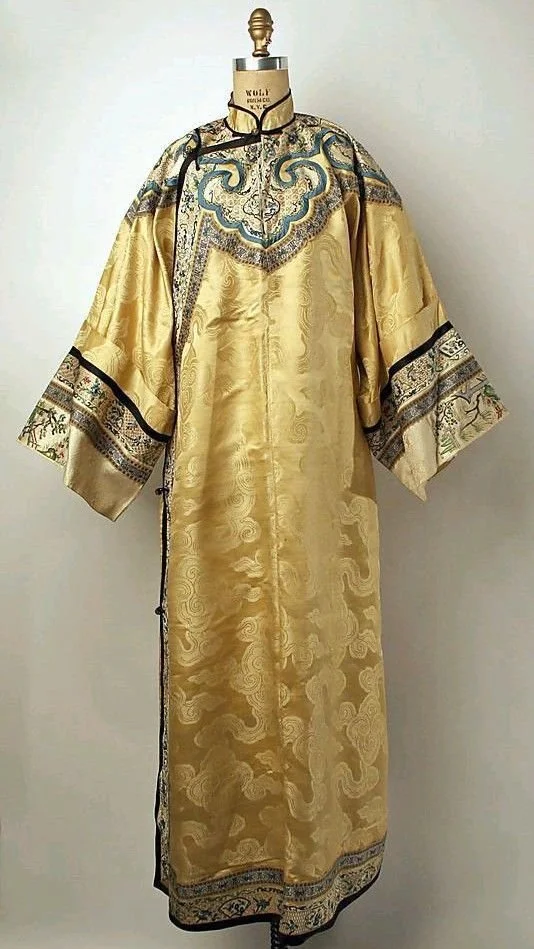


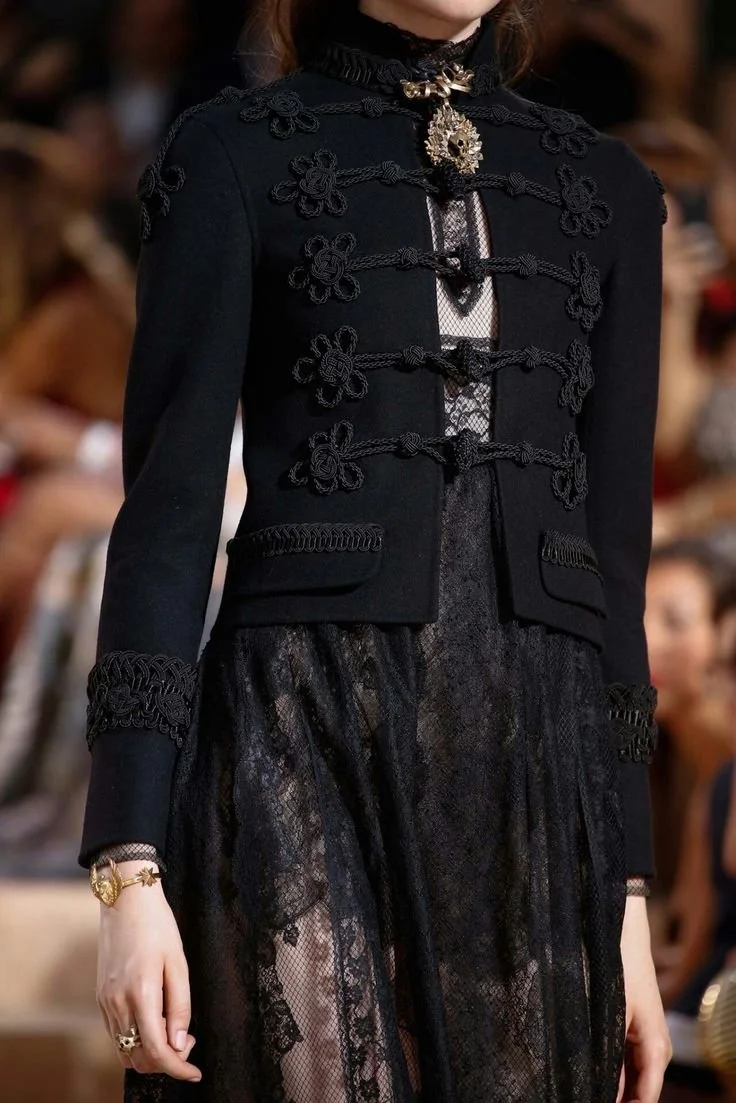
At Retro, we’ve embraced this rich heritage and reimagined it for modern wardrobes. The frog closure has become a staple in our reworked jacket collection , a nod to history that also elevates contemporary design. Every loop and knot adds sculptural texture, turning what was once a purely functional fastening into a signature style detail. Whether in bold contrasts or tonal harmony, our frog closures celebrate both craftsmanship and individuality.
In a fashion world that moves fast, we believe in honoring the techniques that have endured. With every jacket we rework, the frog is our way of bridging past and present, bringing a piece of fashion history into the everyday.
